Compliance Checklist — Host Device Replacement Pods Purchasing
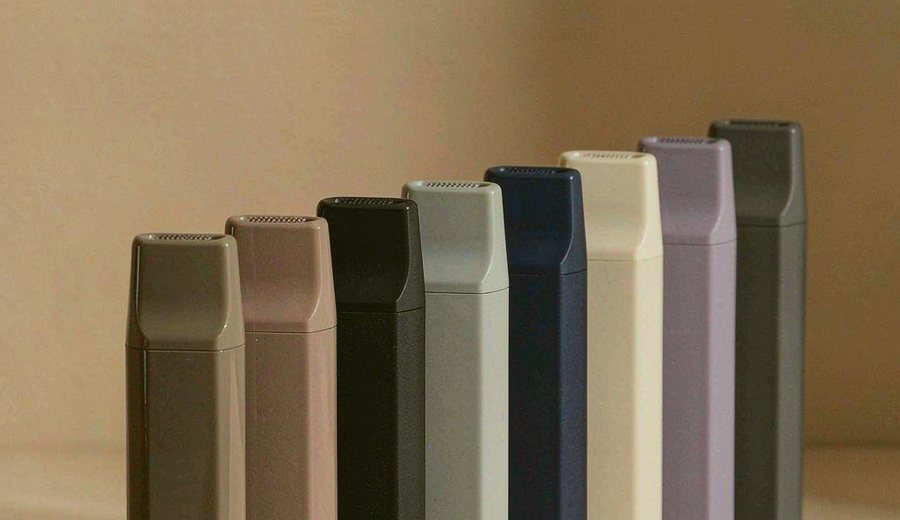
This guide to Host Device Plus Replacement Pods is written for nightclub and bar venues who need repeatable supply rather than a one-off purchase. It focuses on the decisions that change your landed cost and your shelf availability, and skips the parts that do not.
Building A Repeatable Replenishment Cycle
A repeatable cycle for Host Device Plus Replacement Pods has three inputs: weekly sell-through, lead time and buffer. Once those are written down, reordering becomes a routine task instead of a decision, and routine tasks are the ones that actually happen.
Scheduled replenishment for Host Device Plus Replacement Pods gives you leverage you do not get with ad-hoc orders. A supplier who can see your next four shipments will prioritise your production slot, and that priority is worth more than a small discount.
Packaging, Labelling and Shelf Readiness
Shelf presentation is where Host Device Plus Replacement Pods either sells or sits. Carton dimensions, facing count and how quickly a shopper can read the flavour all affect turnover. If the packaging only works in a warehouse, you have pushed that cost onto the retailer.
Retail-ready packaging changes the economics of Host Device Plus Replacement Pods more than most buyers expect. Barcodes, language variants and warning statements vary by destination, and fixing them after production means relabelling by hand. Confirm the artwork requirements for your market before the run starts.
Labelling rules move, and Host Device Plus Replacement Pods is no exception. Build a habit of confirming the current requirement for each destination at the point of order rather than reusing last year's artwork file. The cost of a reprint is small; the cost of a detained shipment is not.
Minimum Order Quantities and Carton Planning
MOQ on Host Device Plus Replacement Pods is usually set by whatever makes a production run efficient, not by any fixed rule. If your requirement is below the standard minimum, ask whether a mixed carton or a shared production slot is possible instead of accepting a large surplus you cannot sell through.
Plan Host Device Plus Replacement Pods cartons around how the goods will actually be handled: how many times they are transferred, what the last leg looks like, and whether the carton will be opened for inspection. Those answers matter more to damage rates than the carton grade on paper.
Documentation Set You Should Request
Good documentation on Host Device Plus Replacement Pods tells you who made the goods, when, and to what specification. That matters for traceability if a batch is ever questioned, and it matters for your own stock rotation.
Ask for a complete document set with Host Device Plus Replacement Pods: invoice, packing list, origin certificate, batch identification and any product-specific test reports. Requesting them during production is routine; requesting them after arrival is a problem.
Keep a single folder per Host Device Plus Replacement Pods shipment: quotation, approved sample reference, inspection report and shipping documents. Six months later, when you are reordering, that folder is the fastest way to repeat a good result.
| Order Stage | Working Days | What Happens |
|---|---|---|
| Specification sign-off | 30 working days | Confirms tolerances and materials |
| Sampling | 15–2 working days | Production units, not showroom pieces |
| Production | 2 working days | Scheduled against your slot |
| Inspection and packing | 30 working days | Photographs included in the report |
Common Mistakes Buyers Make
The most expensive mistake with Host Device Plus Replacement Pods is ordering the full quantity before evaluating a sample. Production samples, not showroom units, are what you will receive. Run the sample through the handling it will actually face and only then commit.
The third mistake is treating the first order as the final specification. Host Device Plus Replacement Pods improves once you feed back what the market did with it. Buyers who treat the first shipment as a test and the second as the real order usually end up with better margins.
Storage, Handling and Shelf Life
Host Device Plus Replacement Pods degrades in predictable ways: heat, light and time. Store in a cool, dry place away from direct sunlight and rotate stock by production date. Those two habits prevent most of the quality complaints that get blamed on the factory.
Warehouse conditions matter more for Host Device Plus Replacement Pods than most buyers assume. A few degrees of temperature difference over a summer changes how the product presents on the shelf. If you are storing through a hot season, plan for it rather than discovering it in returns.
Good stock rotation on Host Device Plus Replacement Pods is simple: label by arrival date, pick oldest first, and keep a small buffer that is never touched. That buffer is what stops an unexpected demand spike from turning into an emergency air shipment.
Quality Control Steps That Catch Problems Early
Inspection works when it happens before shipment. A pre-shipment check on Host Device Plus Replacement Pods covering quantity, appearance, function and packaging typically takes a day and costs a fraction of a return. Book it early enough that a failed report still leaves time to rework.
Agree the acceptable defect threshold for Host Device Plus Replacement Pods in writing before production. Without a number, every inspection becomes a negotiation, and the negotiation always happens when you have the least leverage.
- Plan cartons around real handling, not catalogue photos
- Use one approved sample reference for every repeat order
- Treat the first shipment as a test and the second as the real order
- Keep a reorder calendar instead of reacting to stockouts
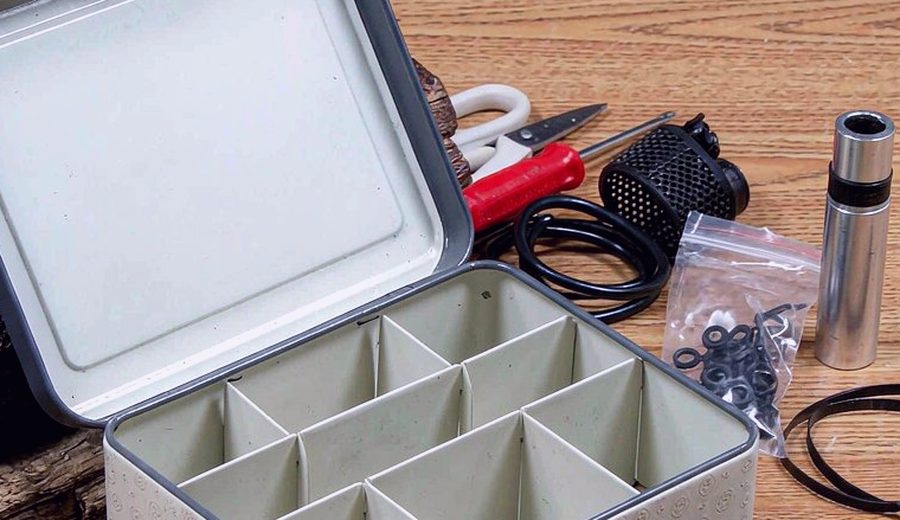
- Ask which components are stocked as spares
Questions about Host Device Plus Replacement Pods are usually quicker to answer in a message than in a spec sheet. Send over what you need — quantity, market, timing — and we will tell you honestly whether we are the right fit for it.
Frequently asked questions
Do you ship Host Device Plus Replacement Pods worldwide?
We ship to most markets by sea, air and express. Where a destination has specific restrictions we will flag them before you order rather than after the goods are in transit.
What payment terms are available for Host Device Plus Replacement Pods?
Standard terms are a deposit with the balance before shipment, with alternatives available for established accounts on scheduled programmes. We will outline what is possible once we understand the size and frequency of your orders.
What is the usual minimum order for Host Device Plus Replacement Pods?
Most Host Device Plus Replacement Pods production runs start at a carton-level minimum rather than a single unit. The exact figure depends on how many variants you need and whether the packaging is standard or custom printed, so it is worth asking with your actual mix in mind.
Can you handle repeat or scheduled Host Device Plus Replacement Pods orders?
Yes, and it suits both sides. A scheduled cycle lets us reserve production capacity, which shortens lead times and makes pricing more stable than ad-hoc ordering.
Can different variants of Host Device Plus Replacement Pods be mixed in one carton?
Mixed cartons are usually possible and are a good option when you are testing a range or working below a per-variant minimum. There is normally a small packing surcharge, which we will show on the quotation.
Related reading
Talk to us about host device plus replacement pods bulk
Send us your target quantity, destination and timing. We answer with real options and a landed cost you can compare — normally within one working day.