Host Device Replacement Pods Purchasing: Demand Trends in 2026
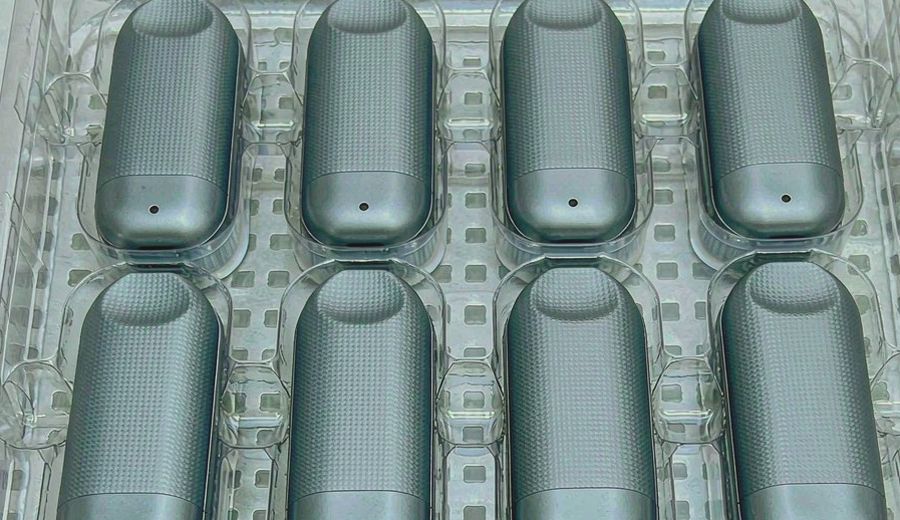
There is a lot of generic advice about Host Device Plus Replacement Pods online. This page tries to be more specific: the checks that actually change outcomes, the numbers worth asking for, and the questions that separate experienced suppliers from the rest.
Quality Control Steps That Catch Problems Early
The most useful QC report for Host Device Plus Replacement Pods is a boring one: carton count, defect rate by category, photographs of the packing method, and a clear pass or fail. Narrative reports that hedge are far less useful than a simple count you can hold someone to.
Inspection works when it happens before shipment. A pre-shipment check on Host Device Plus Replacement Pods covering quantity, appearance, function and packaging typically takes a day and costs a fraction of a return. Book it early enough that a failed report still leaves time to rework.
Documentation Set You Should Request
Good documentation on Host Device Plus Replacement Pods tells you who made the goods, when, and to what specification. That matters for traceability if a batch is ever questioned, and it matters for your own stock rotation.
Ask for a complete document set with Host Device Plus Replacement Pods: invoice, packing list, origin certificate, batch identification and any product-specific test reports. Requesting them during production is routine; requesting them after arrival is a problem.
Keep a single folder per Host Device Plus Replacement Pods shipment: quotation, approved sample reference, inspection report and shipping documents. Six months later, when you are reordering, that folder is the fastest way to repeat a good result.

Minimum Order Quantities and Carton Planning
Carton planning decides whether Host Device Plus Replacement Pods arrives in a condition you can sell. Under-filled cartons deform in transit; over-filled ones split at the seams. Aim for a fill that leaves the carton rigid without compressing the product, and check the stacking height against your pallet pattern.
Plan Host Device Plus Replacement Pods cartons around how the goods will actually be handled: how many times they are transferred, what the last leg looks like, and whether the carton will be opened for inspection. Those answers matter more to damage rates than the carton grade on paper.
Common Mistakes Buyers Make
The third mistake is treating the first order as the final specification. Host Device Plus Replacement Pods improves once you feed back what the market did with it. Buyers who treat the first shipment as a test and the second as the real order usually end up with better margins.
Skipping the carton check is a close second. Packaging failures on Host Device Plus Replacement Pods shipments rarely show up as a visible defect; they show up as scuffed retail units that will not sell at full price. Open a few cartons at random before signing off.
The most expensive mistake with Host Device Plus Replacement Pods is ordering the full quantity before evaluating a sample. Production samples, not showroom units, are what you will receive. Run the sample through the handling it will actually face and only then commit.
| Order Stage | Working Days | What Happens |
|---|---|---|
| Specification sign-off | 3 working days | Confirms tolerances and materials |
| Sampling | 18–12 working days | Production units, not showroom pieces |
| Production | 12 working days | Scheduled against your slot |
| Inspection and packing | 3 working days | Photographs included in the report |
Storage, Handling and Shelf Life
Good stock rotation on Host Device Plus Replacement Pods is simple: label by arrival date, pick oldest first, and keep a small buffer that is never touched. That buffer is what stops an unexpected demand spike from turning into an emergency air shipment.
Host Device Plus Replacement Pods degrades in predictable ways: heat, light and time. Store in a cool, dry place away from direct sunlight and rotate stock by production date. Those two habits prevent most of the quality complaints that get blamed on the factory.
Packaging, Labelling and Shelf Readiness
Shelf presentation is where Host Device Plus Replacement Pods either sells or sits. Carton dimensions, facing count and how quickly a shopper can read the flavour all affect turnover. If the packaging only works in a warehouse, you have pushed that cost onto the retailer.
Retail-ready packaging changes the economics of Host Device Plus Replacement Pods more than most buyers expect. Barcodes, language variants and warning statements vary by destination, and fixing them after production means relabelling by hand. Confirm the artwork requirements for your market before the run starts.
Labelling rules move, and Host Device Plus Replacement Pods is no exception. Build a habit of confirming the current requirement for each destination at the point of order rather than reusing last year's artwork file. The cost of a reprint is small; the cost of a detained shipment is not.
Customs, Duties and Compliance Paperwork
Classification is the decision that shapes everything else on a Host Device Plus Replacement Pods shipment. Duty rate, licence requirements and inspection probability all follow from the code used. If you are unsure, get a written classification opinion before the vessel sails, not after the goods are held.
Compliance for Host Device Plus Replacement Pods is destination-specific and it changes. Rather than memorising rules, build a short checklist per market and refresh it at each order. It takes twenty minutes and prevents the expensive kind of surprise.
- Compare landed cost, not headline unit price
- Confirm labelling rules for the destination at order time
- Agree the specification in writing before sampling Host Device Plus Replacement Pods
- Keep a reorder calendar instead of reacting to stockouts
- Ask which components are stocked as spares
If you want to move on Host Device Plus Replacement Pods, the fastest next step is a specification and a sample. Send us your target quantity and destination and we will come back with options, timings and a landed cost you can compare against what you have today.
Frequently asked questions
Do you ship Host Device Plus Replacement Pods worldwide?
We ship to most markets by sea, air and express. Where a destination has specific restrictions we will flag them before you order rather than after the goods are in transit.
What is the best way to start a Host Device Plus Replacement Pods enquiry?
The most useful starting message is short: product, approximate quantity, destination and target timing. With those four pieces of information we can usually respond with real options the same working day.
How long does a Host Device Plus Replacement Pods order take to arrive?
Production for Host Device Plus Replacement Pods commonly runs two to four weeks depending on specification and packaging, with transit added on top. Sea freight adds several weeks, air considerably less. We quote a realistic window rather than a best case.
What is the usual minimum order for Host Device Plus Replacement Pods?
Most Host Device Plus Replacement Pods production runs start at a carton-level minimum rather than a single unit. The exact figure depends on how many variants you need and whether the packaging is standard or custom printed, so it is worth asking with your actual mix in mind.
Can you handle repeat or scheduled Host Device Plus Replacement Pods orders?
Yes, and it suits both sides. A scheduled cycle lets us reserve production capacity, which shortens lead times and makes pricing more stable than ad-hoc ordering.
Related reading
Talk to us about host device plus replacement pods bulk
Send us your target quantity, destination and timing. We answer with real options and a landed cost you can compare — normally within one working day.