OEM Host Device Replacement Pods: Negotiating with Factories
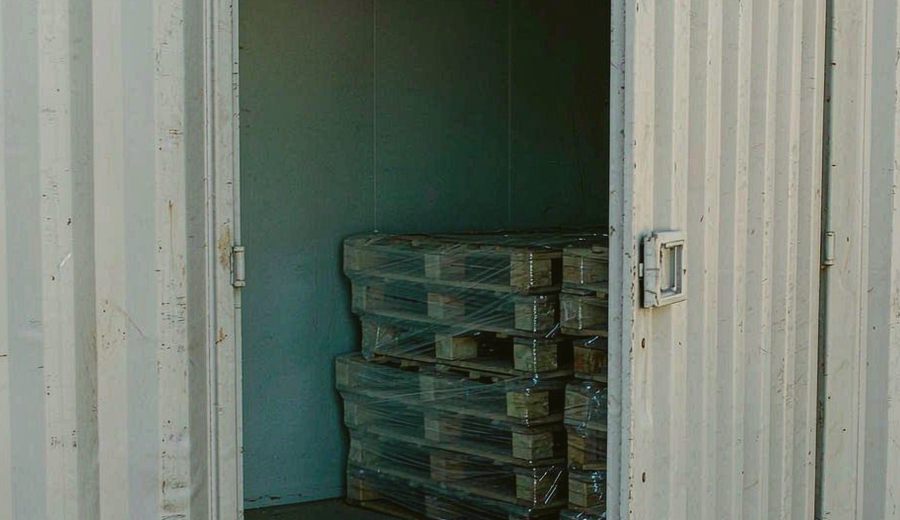
Most problems with Host Device Plus Replacement Pods are not product problems — they are specification, packaging or timing problems that were visible in advance. This page is a checklist for catching them while they are still cheap to fix.
Trends Shaping Host Device Plus Replacement Pods This Year
The direction of travel for Host Device Plus Replacement Pods is towards fewer, better-documented products rather than an ever-wider catalogue. Suppliers who can provide consistent documentation are winning orders that used to go purely on price.
2026 has been a year of consolidation for Host Device Plus Replacement Pods. Buyers are trimming ranges and concentrating volume with suppliers who deliver consistently, which favours preparation over improvisation.
What Host Device Plus Replacement Pods Actually Covers
The phrase Host Device Plus Replacement Pods gets used loosely in export enquiries, which is why quotations sometimes look impossible to compare. One factory may price a bare unit while another includes retail packaging, labelling and a master carton. Getting the scope written down first saves a round of emails and, more importantly, stops you from discovering the difference after the goods land.
Before comparing prices, it helps to agree on what counts as Host Device Plus Replacement Pods. In day-to-day trade the term covers a fairly wide band of products, and two suppliers can quote very different things under the same label. Ask for a specification sheet that lists materials, dimensions and what is included in each unit, then compare that against what actually arrives in the carton.
Scope is the first thing to pin down with Host Device Plus Replacement Pods. Hardware, consumables and packaging are often bundled differently depending on the factory, so a low unit price can quietly hide a higher landed cost. A one-page specification agreed before sampling removes most of that ambiguity.

How to Compare Suppliers Without Wasting Weeks
Ask every Host Device Plus Replacement Pods supplier the same five questions and score the answers. Which of them mentions a constraint you had not considered is often the most informative result — it tells you who has actually produced this before.
Time-box the comparison. Two weeks of structured enquiries on Host Device Plus Replacement Pods beats two months of open-ended ones, because the market moves and your shelf does not wait. Set a decision date at the start and hold to it.
Who Buys Host Device Plus Replacement Pods and Why
Demand for Host Device Plus Replacement Pods rarely comes from a single customer type. Some shopping mall kiosks want steady replacement stock, others want something seasonal they can merchandise for six weeks. Those two buying patterns need different carton sizes and different delivery windows, so it is worth separating them when you plan.
shopping mall kiosks tend to reorder Host Device Plus Replacement Pods on a rhythm rather than in one large batch. That rhythm is driven by shelf turnover, seasonal footfall and how quickly a flavour or format goes stale in the local market. Understanding who your end buyer is makes the reorder maths much easier.
The buyers behind Host Device Plus Replacement Pods orders are usually pragmatic. They care about whether the product sells through, whether it arrives intact, and whether the next shipment will match the last one. Everything else is secondary, which is why consistency beats novelty in most reorder conversations.
| Specification | Typical Range | Why It Matters |
|---|---|---|
| Unit specification | 12–3 variant range | Defines what the factory must hold |
| Master carton | 21 units per carton | Drives freight cost per unit |
| Production lead time | 12–3 working days | Sets your reorder point |
| Inspection window | 21 day report turnaround | Must fit before vessel cut-off |
Common Mistakes Buyers Make
Skipping the carton check is a close second. Packaging failures on Host Device Plus Replacement Pods shipments rarely show up as a visible defect; they show up as scuffed retail units that will not sell at full price. Open a few cartons at random before signing off.
The most expensive mistake with Host Device Plus Replacement Pods is ordering the full quantity before evaluating a sample. Production samples, not showroom units, are what you will receive. Run the sample through the handling it will actually face and only then commit.
Working with Agents Versus Direct Factories
Agents add value on Host Device Plus Replacement Pods when you need local follow-up, consolidation across factories or help with documentation. They add cost when all you need is a single product from a single line.
The honest test: ask whether the agent can tell you something about Host Device Plus Replacement Pods production that you could not learn from the factory's own quotation. If not, you are paying for an introduction.
Going direct on Host Device Plus Replacement Pods works well once your specification is stable and your volume is predictable. Before that point, an agent's ability to chase a production slot is often worth the margin.

Building A Repeatable Replenishment Cycle
A repeatable cycle for Host Device Plus Replacement Pods has three inputs: weekly sell-through, lead time and buffer. Once those are written down, reordering becomes a routine task instead of a decision, and routine tasks are the ones that actually happen.
Scheduled replenishment for Host Device Plus Replacement Pods gives you leverage you do not get with ad-hoc orders. A supplier who can see your next four shipments will prioritise your production slot, and that priority is worth more than a small discount.
- Request the full document set during production
- Treat the first shipment as a test and the second as the real order
- Plan cartons around real handling, not catalogue photos
- Agree the specification in writing before sampling Host Device Plus Replacement Pods
- Compare landed cost, not headline unit price
If you want to move on Host Device Plus Replacement Pods, the fastest next step is a specification and a sample. Send us your target quantity and destination and we will come back with options, timings and a landed cost you can compare against what you have today.
Frequently asked questions
How long does a Host Device Plus Replacement Pods order take to arrive?
Production for Host Device Plus Replacement Pods commonly runs two to four weeks depending on specification and packaging, with transit added on top. Sea freight adds several weeks, air considerably less. We quote a realistic window rather than a best case.
Can Host Device Plus Replacement Pods be shipped directly to my retail locations?
Direct-to-store is possible in many markets, though consolidation at a single warehouse is usually cheaper and easier to reconcile. We can quote both so you can compare.
What is the usual minimum order for Host Device Plus Replacement Pods?
Most Host Device Plus Replacement Pods production runs start at a carton-level minimum rather than a single unit. The exact figure depends on how many variants you need and whether the packaging is standard or custom printed, so it is worth asking with your actual mix in mind.
Can I get Host Device Plus Replacement Pods with my own branding?
Yes — private label is available on most Host Device Plus Replacement Pods lines. The usual options are printed logos, custom colourways and bespoke outer packaging. Each carries a different setup cost and minimum, which we list separately in the quotation.
Do you provide samples of Host Device Plus Replacement Pods before a bulk order?
Samples are available and we recommend them. A small batch rather than a single unit gives a truer picture of production consistency, and the sample cost is normally credited against a confirmed order.
Related reading
Talk to us about host device plus replacement pods bulk
Send us your target quantity, destination and timing. We answer with real options and a landed cost you can compare — normally within one working day.