First-Time Import Steps — Bulk Host Device Replacement Pods
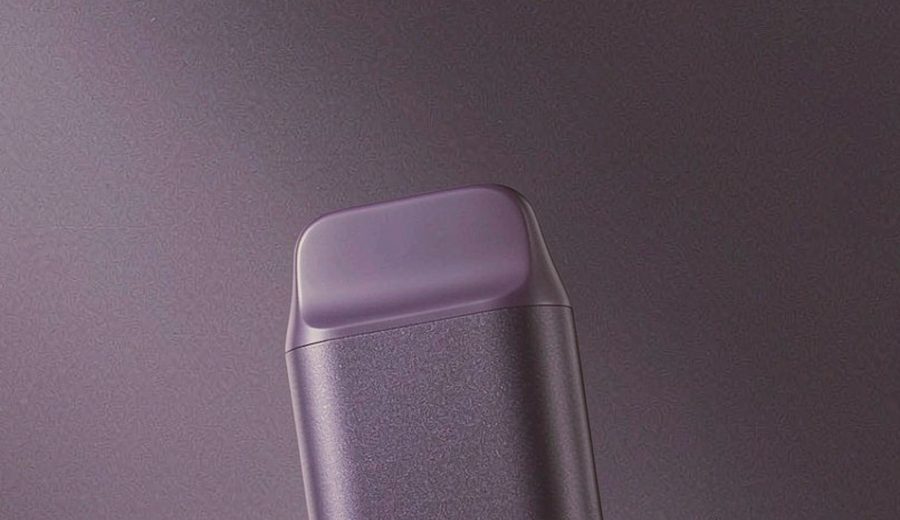
Most problems with Host Device Plus Replacement Pods are not product problems — they are specification, packaging or timing problems that were visible in advance. This page is a checklist for catching them while they are still cheap to fix.
Customs, Duties and Compliance Paperwork
Compliance for Host Device Plus Replacement Pods is destination-specific and it changes. Rather than memorising rules, build a short checklist per market and refresh it at each order. It takes twenty minutes and prevents the expensive kind of surprise.
Paperwork delays cost more than duties on most Host Device Plus Replacement Pods imports. A complete set — commercial invoice, packing list, certificate of origin and any product-specific declaration — should be prepared while the goods are in production, not requested the week of arrival.
Negotiation Levers That Actually Work
Decide before you negotiate what you actually want from Host Device Plus Replacement Pods — a lower unit price, better payment terms, or priority production. Chasing all three at once usually means getting none of them.
The most reliable negotiation on Host Device Plus Replacement Pods is a calendar, not a threat. Show a supplier twelve months of predictable orders and you will get a better response than from any single large enquiry.
Volume commitments, predictable scheduling and fast payment are the three levers that genuinely move Host Device Plus Replacement Pods pricing. Asking for a discount without offering any of them rarely gets you further than the published price list.
OEM and Private Label Possibilities
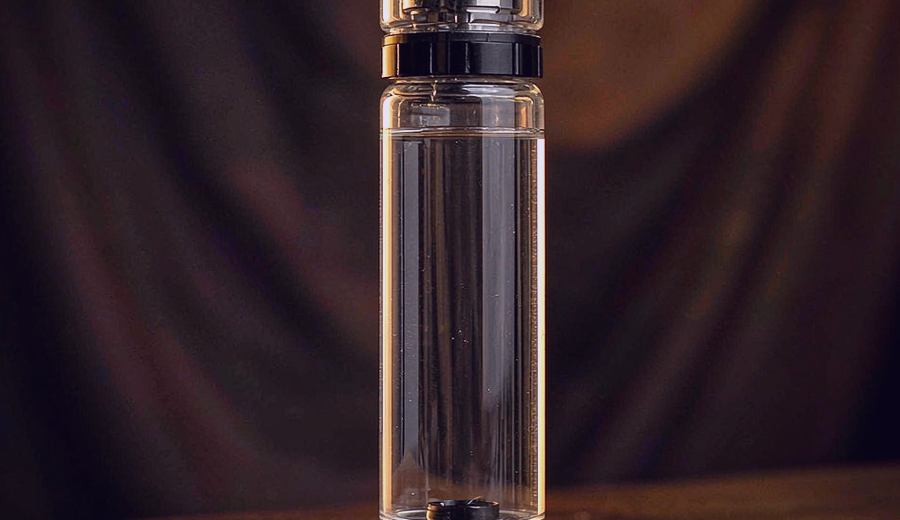
Private label on Host Device Plus Replacement Pods usually starts with artwork and ends with tooling. In between sit choices about colourways, packaging structure and minimum runs per variant. Understanding which of those carry a setup cost tells you how far you can differentiate without inflating the first order.
OEM work on Host Device Plus Replacement Pods is most cost-effective when you change what the factory can already do. A different colour, a printed logo or a reworked carton costs far less than a new mould, and it gets you a recognisable product much faster.
Storage, Handling and Shelf Life
Good stock rotation on Host Device Plus Replacement Pods is simple: label by arrival date, pick oldest first, and keep a small buffer that is never touched. That buffer is what stops an unexpected demand spike from turning into an emergency air shipment.
Host Device Plus Replacement Pods degrades in predictable ways: heat, light and time. Store in a cool, dry place away from direct sunlight and rotate stock by production date. Those two habits prevent most of the quality complaints that get blamed on the factory.
Warehouse conditions matter more for Host Device Plus Replacement Pods than most buyers assume. A few degrees of temperature difference over a summer changes how the product presents on the shelf. If you are storing through a hot season, plan for it rather than discovering it in returns.
| Specification | Typical Range | Why It Matters |
|---|---|---|
| Unit specification | 18–8 variant range | Defines what the factory must hold |
| Master carton | 3 units per carton | Drives freight cost per unit |
| Production lead time | 18–8 working days | Sets your reorder point |
| Inspection window | 3 day report turnaround | Must fit before vessel cut-off |
Choosing Between Air, Sea and Express
For Host Device Plus Replacement Pods, the break-even between air and sea is mostly about how long your cash is tied up and how quickly the stock turns. Fast-moving lines can justify air; slow ones almost never can.
Sea freight suits planned Host Device Plus Replacement Pods volume, air suits genuine urgency, and express suits samples and small top-ups. Matching the mode to the reason, rather than to the deadline panic, is what keeps freight spend proportionate.
Working with Agents Versus Direct Factories
Going direct on Host Device Plus Replacement Pods works well once your specification is stable and your volume is predictable. Before that point, an agent's ability to chase a production slot is often worth the margin.
The honest test: ask whether the agent can tell you something about Host Device Plus Replacement Pods production that you could not learn from the factory's own quotation. If not, you are paying for an introduction.
Agents add value on Host Device Plus Replacement Pods when you need local follow-up, consolidation across factories or help with documentation. They add cost when all you need is a single product from a single line.

Specifications Worth Checking Before You Order
A good specification for Host Device Plus Replacement Pods is measurable. Capacity, resistance, material thickness and finish should all have a stated tolerance, not a marketing range. When tolerances are missing, quality arguments later become opinion against opinion, and that is a conversation you will not win from another continent.
Three specification lines cause most disputes on Host Device Plus Replacement Pods orders: capacity tolerance, material grade and finish consistency. Ask for measured values rather than nominal ones, and request photographs of the actual production batch instead of a catalogue render. It takes an extra day and removes most of the risk.
- Use one approved sample reference for every repeat order
- Agree the specification in writing before sampling Host Device Plus Replacement Pods
- Keep a reorder calendar instead of reacting to stockouts
- Plan cartons around real handling, not catalogue photos
- Confirm labelling rules for the destination at order time
Every Host Device Plus Replacement Pods order starts the same way here — a short conversation about volume, market and timing. If the fit is right we will quote; if it is not, we will say so and point you somewhere better.
Frequently asked questions
Are there compliance requirements I should know about for Host Device Plus Replacement Pods?
Requirements vary by destination and they change. We confirm the current position for your market at the point of order and supply the documentation that supports it, but the importer of record remains responsible for local compliance.
Do you ship Host Device Plus Replacement Pods worldwide?
We ship to most markets by sea, air and express. Where a destination has specific restrictions we will flag them before you order rather than after the goods are in transit.
How is Host Device Plus Replacement Pods packed for export?
Packing depends on the product and route, but the principle is the same: inner protection, a rigid master carton and a pallet pattern that survives handling. We can send photographs of the packing method before dispatch.
Can Host Device Plus Replacement Pods be shipped directly to my retail locations?
Direct-to-store is possible in many markets, though consolidation at a single warehouse is usually cheaper and easier to reconcile. We can quote both so you can compare.
How do you price Host Device Plus Replacement Pods compared with a trading company?
We quote from the production side, so product, packaging and logistics are listed separately rather than folded into one number. That makes comparison easier and usually shows where a competing quote has hidden its margin.
Related reading
Talk to us about host device plus replacement pods bulk
Send us your target quantity, destination and timing. We answer with real options and a landed cost you can compare — normally within one working day.