Host Device Replacement Pods Orders: Compliance Checklist
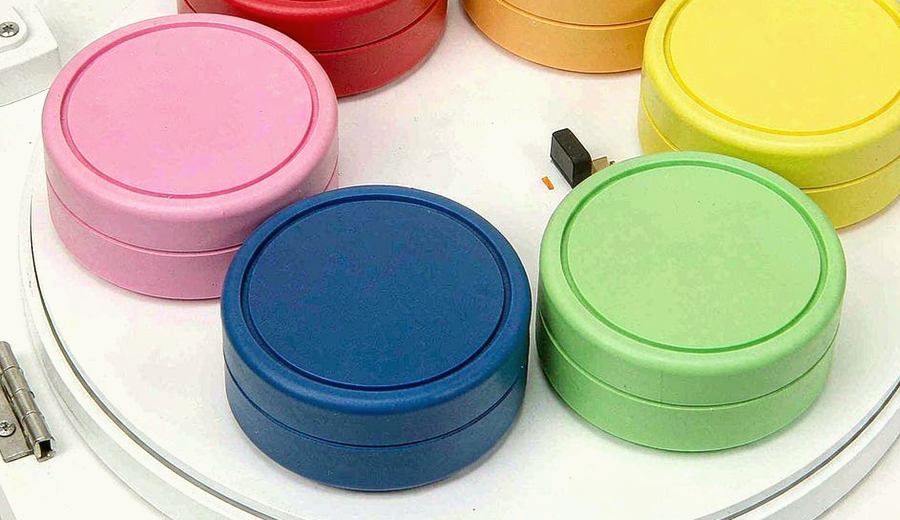
This guide to Host Device Plus Replacement Pods is written for travel retail operators who need repeatable supply rather than a one-off purchase. It focuses on the decisions that change your landed cost and your shelf availability, and skips the parts that do not.
Who Buys Host Device Plus Replacement Pods and Why
The buyers behind Host Device Plus Replacement Pods orders are usually pragmatic. They care about whether the product sells through, whether it arrives intact, and whether the next shipment will match the last one. Everything else is secondary, which is why consistency beats novelty in most reorder conversations.
Demand for Host Device Plus Replacement Pods rarely comes from a single customer type. Some travel retail operators want steady replacement stock, others want something seasonal they can merchandise for six weeks. Those two buying patterns need different carton sizes and different delivery windows, so it is worth separating them when you plan.
What Host Device Plus Replacement Pods Actually Covers
The phrase Host Device Plus Replacement Pods gets used loosely in export enquiries, which is why quotations sometimes look impossible to compare. One factory may price a bare unit while another includes retail packaging, labelling and a master carton. Getting the scope written down first saves a round of emails and, more importantly, stops you from discovering the difference after the goods land.
Scope is the first thing to pin down with Host Device Plus Replacement Pods. Hardware, consumables and packaging are often bundled differently depending on the factory, so a low unit price can quietly hide a higher landed cost. A one-page specification agreed before sampling removes most of that ambiguity.
Before comparing prices, it helps to agree on what counts as Host Device Plus Replacement Pods. In day-to-day trade the term covers a fairly wide band of products, and two suppliers can quote very different things under the same label. Ask for a specification sheet that lists materials, dimensions and what is included in each unit, then compare that against what actually arrives in the carton.

Common Mistakes Buyers Make
Skipping the carton check is a close second. Packaging failures on Host Device Plus Replacement Pods shipments rarely show up as a visible defect; they show up as scuffed retail units that will not sell at full price. Open a few cartons at random before signing off.
The most expensive mistake with Host Device Plus Replacement Pods is ordering the full quantity before evaluating a sample. Production samples, not showroom units, are what you will receive. Run the sample through the handling it will actually face and only then commit.
Pricing Structure and Where The Money Goes
Unit price is only part of what Host Device Plus Replacement Pods costs you. Tooling, labelling, carton packing, inland haulage, port charges and payment fees all sit on top. A quotation that looks 18 percent cheaper can reverse once those lines are added, so compare landed cost, not the headline number.
Most surprises in Host Device Plus Replacement Pods pricing hide in the lines nobody quotes: artwork setup, carton printing plates, extra colourways, and the difference between ex-works and delivered terms. Ask for the quotation split into product, packaging and logistics and the comparison becomes straightforward.
Price breaks on Host Device Plus Replacement Pods usually step at carton, pallet and container levels rather than sliding smoothly. Knowing where those steps sit tells you whether adding another 12 units actually improves your margin or just ties up cash in the warehouse.
| Order Stage | Working Days | What Happens |
|---|---|---|
| Specification sign-off | 3 working days | Confirms tolerances and materials |
| Sampling | 18–12 working days | Production units, not showroom pieces |
| Production | 12 working days | Scheduled against your slot |
| Inspection and packing | 3 working days | Photographs included in the report |
Quality Control Steps That Catch Problems Early
The most useful QC report for Host Device Plus Replacement Pods is a boring one: carton count, defect rate by category, photographs of the packing method, and a clear pass or fail. Narrative reports that hedge are far less useful than a simple count you can hold someone to.
Agree the acceptable defect threshold for Host Device Plus Replacement Pods in writing before production. Without a number, every inspection becomes a negotiation, and the negotiation always happens when you have the least leverage.
Building A Repeatable Replenishment Cycle
A repeatable cycle for Host Device Plus Replacement Pods has three inputs: weekly sell-through, lead time and buffer. Once those are written down, reordering becomes a routine task instead of a decision, and routine tasks are the ones that actually happen.
Scheduled replenishment for Host Device Plus Replacement Pods gives you leverage you do not get with ad-hoc orders. A supplier who can see your next four shipments will prioritise your production slot, and that priority is worth more than a small discount.
Most importers of Host Device Plus Replacement Pods who move to a fixed monthly cycle report the same benefit: fewer emergencies. The total volume ordered barely changes, but the number of urgent shipments drops sharply.

Packaging, Labelling and Shelf Readiness
Labelling rules move, and Host Device Plus Replacement Pods is no exception. Build a habit of confirming the current requirement for each destination at the point of order rather than reusing last year's artwork file. The cost of a reprint is small; the cost of a detained shipment is not.
Shelf presentation is where Host Device Plus Replacement Pods either sells or sits. Carton dimensions, facing count and how quickly a shopper can read the flavour all affect turnover. If the packaging only works in a warehouse, you have pushed that cost onto the retailer.
- Compare landed cost, not headline unit price
- Confirm labelling rules for the destination at order time
- Track weekly sell-through to catch the seasonal turn
- Book inspection while there is still time to rework
- Use one approved sample reference for every repeat order
Every Host Device Plus Replacement Pods order starts the same way here — a short conversation about volume, market and timing. If the fit is right we will quote; if it is not, we will say so and point you somewhere better.
Frequently asked questions
Can I get Host Device Plus Replacement Pods with my own branding?
Yes — private label is available on most Host Device Plus Replacement Pods lines. The usual options are printed logos, custom colourways and bespoke outer packaging. Each carries a different setup cost and minimum, which we list separately in the quotation.
Do you ship Host Device Plus Replacement Pods worldwide?
We ship to most markets by sea, air and express. Where a destination has specific restrictions we will flag them before you order rather than after the goods are in transit.
How do I know the Host Device Plus Replacement Pods I reorder will match the last batch?
We keep the approved specification and sample reference on file for every order and check against it at inspection. If a component changes, you hear about it before production rather than at delivery.
How do you price Host Device Plus Replacement Pods compared with a trading company?
We quote from the production side, so product, packaging and logistics are listed separately rather than folded into one number. That makes comparison easier and usually shows where a competing quote has hidden its margin.
Can Host Device Plus Replacement Pods be shipped directly to my retail locations?
Direct-to-store is possible in many markets, though consolidation at a single warehouse is usually cheaper and easier to reconcile. We can quote both so you can compare.
Related reading
Talk to us about host device plus replacement pods bulk
Send us your target quantity, destination and timing. We answer with real options and a landed cost you can compare — normally within one working day.