Host Device Replacement Pods Sourcing: Compliance Checklist

There is a lot of generic advice about Host Device Plus Replacement Pods online. This page tries to be more specific: the checks that actually change outcomes, the numbers worth asking for, and the questions that separate experienced suppliers from the rest.
Packaging, Labelling and Shelf Readiness
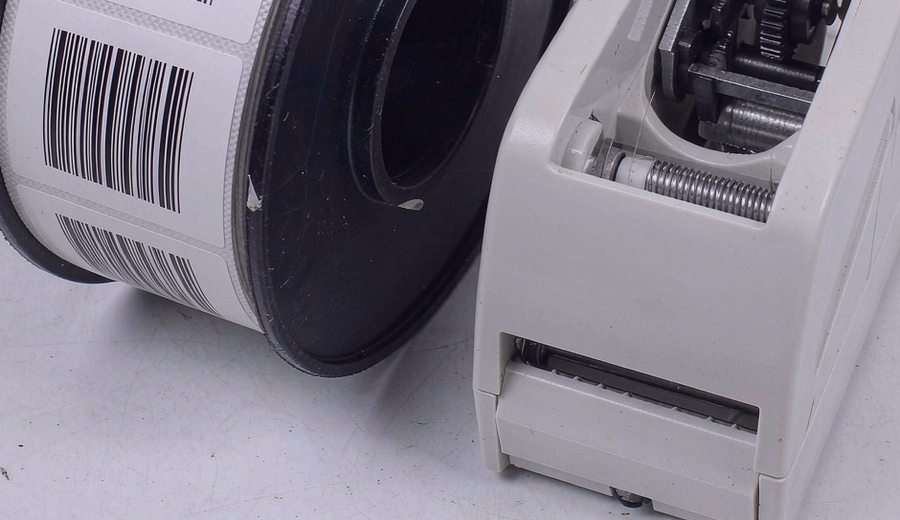
Retail-ready packaging changes the economics of Host Device Plus Replacement Pods more than most buyers expect. Barcodes, language variants and warning statements vary by destination, and fixing them after production means relabelling by hand. Confirm the artwork requirements for your market before the run starts.
Labelling rules move, and Host Device Plus Replacement Pods is no exception. Build a habit of confirming the current requirement for each destination at the point of order rather than reusing last year's artwork file. The cost of a reprint is small; the cost of a detained shipment is not.
Margin Maths for Retailers
A useful exercise with Host Device Plus Replacement Pods: calculate what a 15 percent improvement in landed cost does to annual profit, and compare that with what a 15 percent price increase does. The first is usually easier and does not risk volume.
Margin on Host Device Plus Replacement Pods is decided at the purchase stage. Landed cost per sellable unit, not unit price, is the number that matters — and it includes freight, duty, shrinkage and the small percentage that never sells at full price.
Retailers who track Host Device Plus Replacement Pods by margin per shelf metre rather than margin per unit consistently make better range decisions. The product that earns slightly less per unit but turns twice as fast is usually the better use of the space.
Sample Orders and Evaluation Checklist
A short evaluation checklist for Host Device Plus Replacement Pods keeps decisions comparable: specification match, finish quality, packaging integrity, documentation completeness and how the supplier handled the request. Score each one and the choice usually becomes obvious.
Evaluate Host Device Plus Replacement Pods samples the way your customer will use them, not the way they look on a desk. Check the packaging after a short transit, check the finish under retail lighting, and check consistency across several units rather than one.
Documentation Set You Should Request
Ask for a complete document set with Host Device Plus Replacement Pods: invoice, packing list, origin certificate, batch identification and any product-specific test reports. Requesting them during production is routine; requesting them after arrival is a problem.
Good documentation on Host Device Plus Replacement Pods tells you who made the goods, when, and to what specification. That matters for traceability if a batch is ever questioned, and it matters for your own stock rotation.
Keep a single folder per Host Device Plus Replacement Pods shipment: quotation, approved sample reference, inspection report and shipping documents. Six months later, when you are reordering, that folder is the fastest way to repeat a good result.
| Order Stage | Working Days | What Happens |
|---|---|---|
| Specification sign-off | 7 working days | Confirms tolerances and materials |
| Sampling | 15–4 working days | Production units, not showroom pieces |
| Production | 4 working days | Scheduled against your slot |
| Inspection and packing | 7 working days | Photographs included in the report |
Seasonal Demand and Reorder Timing
Most stockouts on Host Device Plus Replacement Pods are planning failures rather than supply failures. The goods were available; the order simply went in three weeks late. A written reorder calendar removes most of that risk for very little effort.
Reorder timing for Host Device Plus Replacement Pods should be calculated backwards from the shelf, not forwards from the factory. Start with the week you need stock, subtract the realistic transit window, add a buffer for inspection, and you have your order date.
Who Buys Host Device Plus Replacement Pods and Why
The buyers behind Host Device Plus Replacement Pods orders are usually pragmatic. They care about whether the product sells through, whether it arrives intact, and whether the next shipment will match the last one. Everything else is secondary, which is why consistency beats novelty in most reorder conversations.
wholesalers tend to reorder Host Device Plus Replacement Pods on a rhythm rather than in one large batch. That rhythm is driven by shelf turnover, seasonal footfall and how quickly a flavour or format goes stale in the local market. Understanding who your end buyer is makes the reorder maths much easier.
Demand for Host Device Plus Replacement Pods rarely comes from a single customer type. Some wholesalers want steady replacement stock, others want something seasonal they can merchandise for six weeks. Those two buying patterns need different carton sizes and different delivery windows, so it is worth separating them when you plan.
Storage, Handling and Shelf Life
Host Device Plus Replacement Pods degrades in predictable ways: heat, light and time. Store in a cool, dry place away from direct sunlight and rotate stock by production date. Those two habits prevent most of the quality complaints that get blamed on the factory.
Good stock rotation on Host Device Plus Replacement Pods is simple: label by arrival date, pick oldest first, and keep a small buffer that is never touched. That buffer is what stops an unexpected demand spike from turning into an emergency air shipment.
- Confirm labelling rules for the destination at order time
- Request the full document set during production
- Compare landed cost, not headline unit price
- Keep a reorder calendar instead of reacting to stockouts
- Book inspection while there is still time to rework
If you want to move on Host Device Plus Replacement Pods, the fastest next step is a specification and a sample. Send us your target quantity and destination and we will come back with options, timings and a landed cost you can compare against what you have today.
Frequently asked questions
Do you ship Host Device Plus Replacement Pods worldwide?
We ship to most markets by sea, air and express. Where a destination has specific restrictions we will flag them before you order rather than after the goods are in transit.
How is Host Device Plus Replacement Pods packed for export?
Packing depends on the product and route, but the principle is the same: inner protection, a rigid master carton and a pallet pattern that survives handling. We can send photographs of the packing method before dispatch.
Can different variants of Host Device Plus Replacement Pods be mixed in one carton?
Mixed cartons are usually possible and are a good option when you are testing a range or working below a per-variant minimum. There is normally a small packing surcharge, which we will show on the quotation.
How do you price Host Device Plus Replacement Pods compared with a trading company?
We quote from the production side, so product, packaging and logistics are listed separately rather than folded into one number. That makes comparison easier and usually shows where a competing quote has hidden its margin.
What is the best way to start a Host Device Plus Replacement Pods enquiry?
The most useful starting message is short: product, approximate quantity, destination and target timing. With those four pieces of information we can usually respond with real options the same working day.
Related reading
Talk to us about host device plus replacement pods bulk
Send us your target quantity, destination and timing. We answer with real options and a landed cost you can compare — normally within one working day.