Host Device Replacement Pods Trade: Risk Control for Importers

There is a lot of generic advice about Host Device Plus Replacement Pods online. This page tries to be more specific: the checks that actually change outcomes, the numbers worth asking for, and the questions that separate experienced suppliers from the rest.
Margin Maths for Retailers
Retailers who track Host Device Plus Replacement Pods by margin per shelf metre rather than margin per unit consistently make better range decisions. The product that earns slightly less per unit but turns twice as fast is usually the better use of the space.
A useful exercise with Host Device Plus Replacement Pods: calculate what a 15 percent improvement in landed cost does to annual profit, and compare that with what a 15 percent price increase does. The first is usually easier and does not risk volume.
Negotiation Levers That Actually Work
Decide before you negotiate what you actually want from Host Device Plus Replacement Pods — a lower unit price, better payment terms, or priority production. Chasing all three at once usually means getting none of them.
The most reliable negotiation on Host Device Plus Replacement Pods is a calendar, not a threat. Show a supplier twelve months of predictable orders and you will get a better response than from any single large enquiry.
Volume commitments, predictable scheduling and fast payment are the three levers that genuinely move Host Device Plus Replacement Pods pricing. Asking for a discount without offering any of them rarely gets you further than the published price list.
What Host Device Plus Replacement Pods Actually Covers
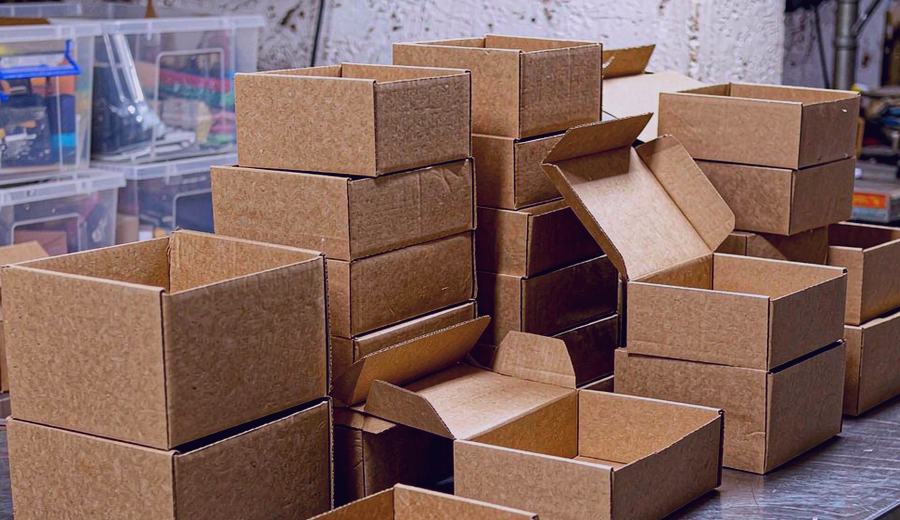
The phrase Host Device Plus Replacement Pods gets used loosely in export enquiries, which is why quotations sometimes look impossible to compare. One factory may price a bare unit while another includes retail packaging, labelling and a master carton. Getting the scope written down first saves a round of emails and, more importantly, stops you from discovering the difference after the goods land.
Scope is the first thing to pin down with Host Device Plus Replacement Pods. Hardware, consumables and packaging are often bundled differently depending on the factory, so a low unit price can quietly hide a higher landed cost. A one-page specification agreed before sampling removes most of that ambiguity.
Retail Merchandising Ideas That Move Stock
Group Host Device Plus Replacement Pods by use case rather than by supplier. Shoppers buy to solve a need, and a display organised around need consistently outperforms one organised around the way the catalogue is printed.
Rotate the Host Device Plus Replacement Pods facing every few weeks. Even without changing the range, moving the position refreshes attention and surfaces stock that has settled into a blind spot near the counter.
Merchandising Host Device Plus Replacement Pods well is mostly about legibility. A shopper should be able to identify the product type and the variant from a metre away. If they have to pick things up to compare, you have already lost part of the sale.
| Order Stage | Working Days | What Happens |
|---|---|---|
| Specification sign-off | 30 working days | Confirms tolerances and materials |
| Sampling | 15–8 working days | Production units, not showroom pieces |
| Production | 8 working days | Scheduled against your slot |
| Inspection and packing | 30 working days | Photographs included in the report |
OEM and Private Label Possibilities
If you are considering a private label version of Host Device Plus Replacement Pods, ask what the factory needs from you: artwork format, colour reference, quantity per variant and lead time for the first run. Clear inputs at the start quietly remove weeks from the schedule.
OEM work on Host Device Plus Replacement Pods is most cost-effective when you change what the factory can already do. A different colour, a printed logo or a reworked carton costs far less than a new mould, and it gets you a recognisable product much faster.
Storage, Handling and Shelf Life
Host Device Plus Replacement Pods degrades in predictable ways: heat, light and time. Store in a cool, dry place away from direct sunlight and rotate stock by production date. Those two habits prevent most of the quality complaints that get blamed on the factory.
Warehouse conditions matter more for Host Device Plus Replacement Pods than most buyers assume. A few degrees of temperature difference over a summer changes how the product presents on the shelf. If you are storing through a hot season, plan for it rather than discovering it in returns.
Good stock rotation on Host Device Plus Replacement Pods is simple: label by arrival date, pick oldest first, and keep a small buffer that is never touched. That buffer is what stops an unexpected demand spike from turning into an emergency air shipment.
Trends Shaping Host Device Plus Replacement Pods This Year
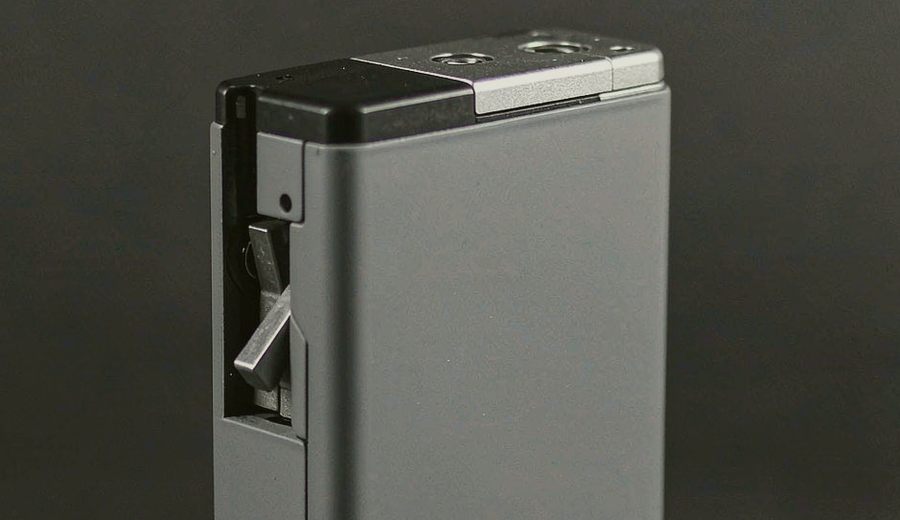
2026 has been a year of consolidation for Host Device Plus Replacement Pods. Buyers are trimming ranges and concentrating volume with suppliers who deliver consistently, which favours preparation over improvisation.
The direction of travel for Host Device Plus Replacement Pods is towards fewer, better-documented products rather than an ever-wider catalogue. Suppliers who can provide consistent documentation are winning orders that used to go purely on price.
- Agree the specification in writing before sampling Host Device Plus Replacement Pods
- Book inspection while there is still time to rework
- Request the full document set during production
- Use one approved sample reference for every repeat order
- Track weekly sell-through to catch the seasonal turn
If you want to move on Host Device Plus Replacement Pods, the fastest next step is a specification and a sample. Send us your target quantity and destination and we will come back with options, timings and a landed cost you can compare against what you have today.
Frequently asked questions
What documentation comes with a Host Device Plus Replacement Pods shipment?
A standard shipment includes commercial invoice, packing list and certificate of origin, with product-specific declarations where the destination requires them. We prepare the set during production so it is ready before the goods arrive.
Can different variants of Host Device Plus Replacement Pods be mixed in one carton?
Mixed cartons are usually possible and are a good option when you are testing a range or working below a per-variant minimum. There is normally a small packing surcharge, which we will show on the quotation.
Can Host Device Plus Replacement Pods be shipped directly to my retail locations?
Direct-to-store is possible in many markets, though consolidation at a single warehouse is usually cheaper and easier to reconcile. We can quote both so you can compare.
How is Host Device Plus Replacement Pods packed for export?
Packing depends on the product and route, but the principle is the same: inner protection, a rigid master carton and a pallet pattern that survives handling. We can send photographs of the packing method before dispatch.
How do you price Host Device Plus Replacement Pods compared with a trading company?
We quote from the production side, so product, packaging and logistics are listed separately rather than folded into one number. That makes comparison easier and usually shows where a competing quote has hidden its margin.
Related reading
Talk to us about host device plus replacement pods bulk
Send us your target quantity, destination and timing. We answer with real options and a landed cost you can compare — normally within one working day.