Host Device Replacement Pods Wholesale: Product Range Planning
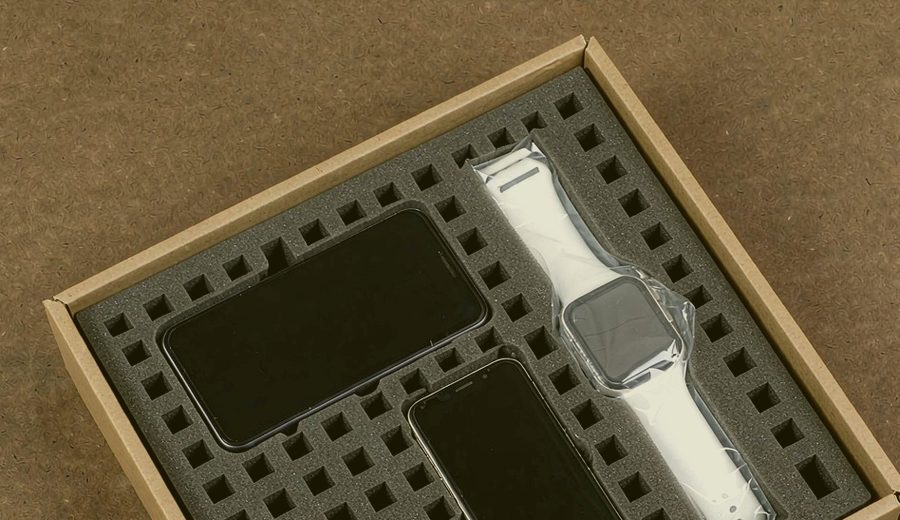
There is a lot of generic advice about Host Device Plus Replacement Pods online. This page tries to be more specific: the checks that actually change outcomes, the numbers worth asking for, and the questions that separate experienced suppliers from the rest.
Quality Control Steps That Catch Problems Early
Agree the acceptable defect threshold for Host Device Plus Replacement Pods in writing before production. Without a number, every inspection becomes a negotiation, and the negotiation always happens when you have the least leverage.
Inspection works when it happens before shipment. A pre-shipment check on Host Device Plus Replacement Pods covering quantity, appearance, function and packaging typically takes a day and costs a fraction of a return. Book it early enough that a failed report still leaves time to rework.
Packaging, Labelling and Shelf Readiness
Labelling rules move, and Host Device Plus Replacement Pods is no exception. Build a habit of confirming the current requirement for each destination at the point of order rather than reusing last year's artwork file. The cost of a reprint is small; the cost of a detained shipment is not.
Retail-ready packaging changes the economics of Host Device Plus Replacement Pods more than most buyers expect. Barcodes, language variants and warning statements vary by destination, and fixing them after production means relabelling by hand. Confirm the artwork requirements for your market before the run starts.
Shelf presentation is where Host Device Plus Replacement Pods either sells or sits. Carton dimensions, facing count and how quickly a shopper can read the flavour all affect turnover. If the packaging only works in a warehouse, you have pushed that cost onto the retailer.

Common Mistakes Buyers Make
Skipping the carton check is a close second. Packaging failures on Host Device Plus Replacement Pods shipments rarely show up as a visible defect; they show up as scuffed retail units that will not sell at full price. Open a few cartons at random before signing off.
The most expensive mistake with Host Device Plus Replacement Pods is ordering the full quantity before evaluating a sample. Production samples, not showroom units, are what you will receive. Run the sample through the handling it will actually face and only then commit.
Sustainability and Packaging Waste
If your market expects recyclable materials for Host Device Plus Replacement Pods, ask what the factory can actually supply rather than assuming. The gap between what is available and what is requested is usually narrower than buyers expect.
Small packaging decisions on Host Device Plus Replacement Pods compound: a carton that is 12 percent smaller often means more units per pallet, which means fewer pallets, which means lower freight per unit.
Packaging waste is becoming a purchasing question rather than a marketing one. Right-sizing cartons for Host Device Plus Replacement Pods reduces both material cost and freight cost, which makes it one of the few changes that helps margin and footprint at once.
| Order Stage | Working Days | What Happens |
|---|---|---|
| Specification sign-off | 7 working days | Confirms tolerances and materials |
| Sampling | 12–6 working days | Production units, not showroom pieces |
| Production | 6 working days | Scheduled against your slot |
| Inspection and packing | 7 working days | Photographs included in the report |
Storage, Handling and Shelf Life
Warehouse conditions matter more for Host Device Plus Replacement Pods than most buyers assume. A few degrees of temperature difference over a summer changes how the product presents on the shelf. If you are storing through a hot season, plan for it rather than discovering it in returns.
Host Device Plus Replacement Pods degrades in predictable ways: heat, light and time. Store in a cool, dry place away from direct sunlight and rotate stock by production date. Those two habits prevent most of the quality complaints that get blamed on the factory.
Customs, Duties and Compliance Paperwork
Paperwork delays cost more than duties on most Host Device Plus Replacement Pods imports. A complete set — commercial invoice, packing list, certificate of origin and any product-specific declaration — should be prepared while the goods are in production, not requested the week of arrival.
Classification is the decision that shapes everything else on a Host Device Plus Replacement Pods shipment. Duty rate, licence requirements and inspection probability all follow from the code used. If you are unsure, get a written classification opinion before the vessel sails, not after the goods are held.
Compliance for Host Device Plus Replacement Pods is destination-specific and it changes. Rather than memorising rules, build a short checklist per market and refresh it at each order. It takes twenty minutes and prevents the expensive kind of surprise.
How to Compare Suppliers Without Wasting Weeks
Ask every Host Device Plus Replacement Pods supplier the same five questions and score the answers. Which of them mentions a constraint you had not considered is often the most informative result — it tells you who has actually produced this before.
Time-box the comparison. Two weeks of structured enquiries on Host Device Plus Replacement Pods beats two months of open-ended ones, because the market moves and your shelf does not wait. Set a decision date at the start and hold to it.
- Use one approved sample reference for every repeat order
- Book inspection while there is still time to rework
- Treat the first shipment as a test and the second as the real order
- Track weekly sell-through to catch the seasonal turn
- Plan cartons around real handling, not catalogue photos
Every Host Device Plus Replacement Pods order starts the same way here — a short conversation about volume, market and timing. If the fit is right we will quote; if it is not, we will say so and point you somewhere better.
Frequently asked questions
What is the best way to start a Host Device Plus Replacement Pods enquiry?
The most useful starting message is short: product, approximate quantity, destination and target timing. With those four pieces of information we can usually respond with real options the same working day.
Can different variants of Host Device Plus Replacement Pods be mixed in one carton?
Mixed cartons are usually possible and are a good option when you are testing a range or working below a per-variant minimum. There is normally a small packing surcharge, which we will show on the quotation.
What happens if a Host Device Plus Replacement Pods shipment arrives damaged?
Report it within the agreed window with photographs and carton references and we will work through a credit or replacement. This is much faster when an inspection report exists, which is why we recommend one for larger orders.
What payment terms are available for Host Device Plus Replacement Pods?
Standard terms are a deposit with the balance before shipment, with alternatives available for established accounts on scheduled programmes. We will outline what is possible once we understand the size and frequency of your orders.
What documentation comes with a Host Device Plus Replacement Pods shipment?
A standard shipment includes commercial invoice, packing list and certificate of origin, with product-specific declarations where the destination requires them. We prepare the set during production so it is ready before the goods arrive.
Related reading
Talk to us about host device plus replacement pods bulk
Send us your target quantity, destination and timing. We answer with real options and a landed cost you can compare — normally within one working day.