Inspection before Dispatch — OEM Host Device Replacement Pods
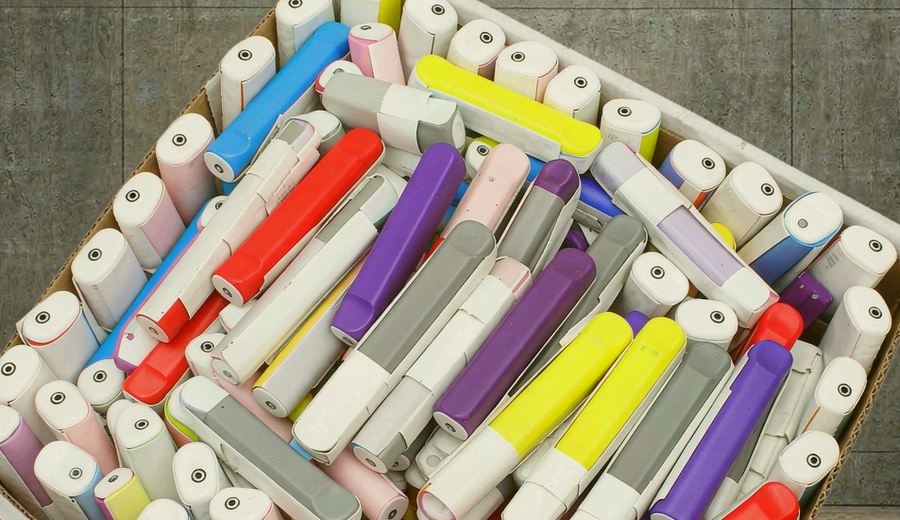
Most problems with Host Device Plus Replacement Pods are not product problems — they are specification, packaging or timing problems that were visible in advance. This page is a checklist for catching them while they are still cheap to fix.
Shipping Routes, Transit Time and Freight Options
Freight quotes for Host Device Plus Replacement Pods move with fuel surcharges, currency and space availability. Ask whether the rate is fixed for a period or spot-quoted per shipment, because that single detail determines how predictable your landed cost will be over a year.
Choosing between sea, air and express for Host Device Plus Replacement Pods is a margin question, not a speed question. Sea freight protects unit economics on planned volume; air rescue shipments protect shelf availability. Most importers end up using both, and planning for that is cheaper than improvising.
OEM and Private Label Possibilities
Private label on Host Device Plus Replacement Pods usually starts with artwork and ends with tooling. In between sit choices about colourways, packaging structure and minimum runs per variant. Understanding which of those carry a setup cost tells you how far you can differentiate without inflating the first order.
OEM work on Host Device Plus Replacement Pods is most cost-effective when you change what the factory can already do. A different colour, a printed logo or a reworked carton costs far less than a new mould, and it gets you a recognisable product much faster.
If you are considering a private label version of Host Device Plus Replacement Pods, ask what the factory needs from you: artwork format, colour reference, quantity per variant and lead time for the first run. Clear inputs at the start quietly remove weeks from the schedule.
Quality Control Steps That Catch Problems Early
Agree the acceptable defect threshold for Host Device Plus Replacement Pods in writing before production. Without a number, every inspection becomes a negotiation, and the negotiation always happens when you have the least leverage.
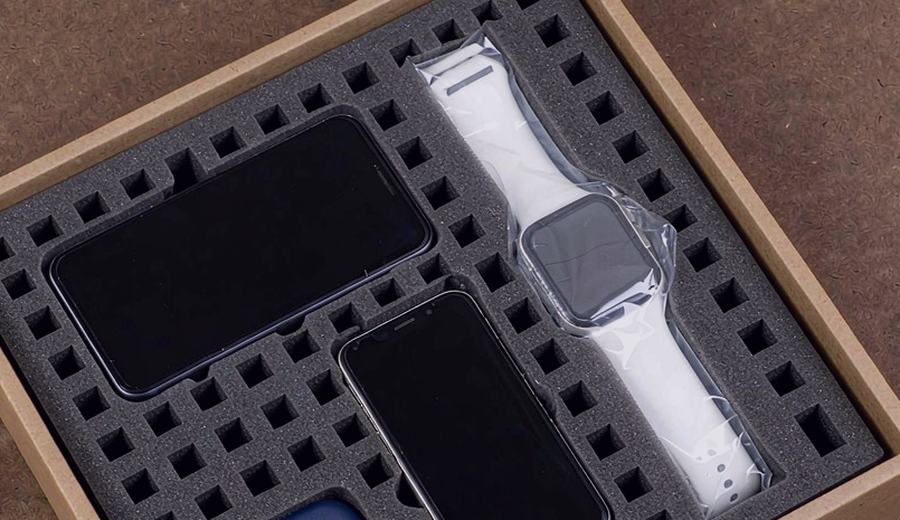
The most useful QC report for Host Device Plus Replacement Pods is a boring one: carton count, defect rate by category, photographs of the packing method, and a clear pass or fail. Narrative reports that hedge are far less useful than a simple count you can hold someone to.
Storage, Handling and Shelf Life
Good stock rotation on Host Device Plus Replacement Pods is simple: label by arrival date, pick oldest first, and keep a small buffer that is never touched. That buffer is what stops an unexpected demand spike from turning into an emergency air shipment.
Warehouse conditions matter more for Host Device Plus Replacement Pods than most buyers assume. A few degrees of temperature difference over a summer changes how the product presents on the shelf. If you are storing through a hot season, plan for it rather than discovering it in returns.
Host Device Plus Replacement Pods degrades in predictable ways: heat, light and time. Store in a cool, dry place away from direct sunlight and rotate stock by production date. Those two habits prevent most of the quality complaints that get blamed on the factory.
| Specification | Typical Range | Why It Matters |
|---|---|---|
| Unit specification | 18–12 variant range | Defines what the factory must hold |
| Master carton | 7 units per carton | Drives freight cost per unit |
| Production lead time | 18–12 working days | Sets your reorder point |
| Inspection window | 7 day report turnaround | Must fit before vessel cut-off |
Sample Orders and Evaluation Checklist
Order 12 samples of Host Device Plus Replacement Pods rather than one. Single units are hand-picked; a small batch shows you what the production line actually produces, and that is what you are about to buy in volume.
A short evaluation checklist for Host Device Plus Replacement Pods keeps decisions comparable: specification match, finish quality, packaging integrity, documentation completeness and how the supplier handled the request. Score each one and the choice usually becomes obvious.
Common Mistakes Buyers Make
The third mistake is treating the first order as the final specification. Host Device Plus Replacement Pods improves once you feed back what the market did with it. Buyers who treat the first shipment as a test and the second as the real order usually end up with better margins.
The most expensive mistake with Host Device Plus Replacement Pods is ordering the full quantity before evaluating a sample. Production samples, not showroom units, are what you will receive. Run the sample through the handling it will actually face and only then commit.
Skipping the carton check is a close second. Packaging failures on Host Device Plus Replacement Pods shipments rarely show up as a visible defect; they show up as scuffed retail units that will not sell at full price. Open a few cartons at random before signing off.
Retail Merchandising Ideas That Move Stock
Rotate the Host Device Plus Replacement Pods facing every few weeks. Even without changing the range, moving the position refreshes attention and surfaces stock that has settled into a blind spot near the counter.
Merchandising Host Device Plus Replacement Pods well is mostly about legibility. A shopper should be able to identify the product type and the variant from a metre away. If they have to pick things up to compare, you have already lost part of the sale.
- Ask which components are stocked as spares
- Compare landed cost, not headline unit price
- Use one approved sample reference for every repeat order
- Keep a reorder calendar instead of reacting to stockouts
- Confirm labelling rules for the destination at order time
If you want to move on Host Device Plus Replacement Pods, the fastest next step is a specification and a sample. Send us your target quantity and destination and we will come back with options, timings and a landed cost you can compare against what you have today.
Frequently asked questions
What payment terms are available for Host Device Plus Replacement Pods?
Standard terms are a deposit with the balance before shipment, with alternatives available for established accounts on scheduled programmes. We will outline what is possible once we understand the size and frequency of your orders.
What is the usual minimum order for Host Device Plus Replacement Pods?
Most Host Device Plus Replacement Pods production runs start at a carton-level minimum rather than a single unit. The exact figure depends on how many variants you need and whether the packaging is standard or custom printed, so it is worth asking with your actual mix in mind.
How do you price Host Device Plus Replacement Pods compared with a trading company?
We quote from the production side, so product, packaging and logistics are listed separately rather than folded into one number. That makes comparison easier and usually shows where a competing quote has hidden its margin.
What happens if a Host Device Plus Replacement Pods shipment arrives damaged?
Report it within the agreed window with photographs and carton references and we will work through a credit or replacement. This is much faster when an inspection report exists, which is why we recommend one for larger orders.
What is the best way to start a Host Device Plus Replacement Pods enquiry?
The most useful starting message is short: product, approximate quantity, destination and target timing. With those four pieces of information we can usually respond with real options the same working day.
Related reading
Talk to us about host device plus replacement pods bulk
Send us your target quantity, destination and timing. We answer with real options and a landed cost you can compare — normally within one working day.