Reading a Quotation — Host Device Replacement Pods Supply
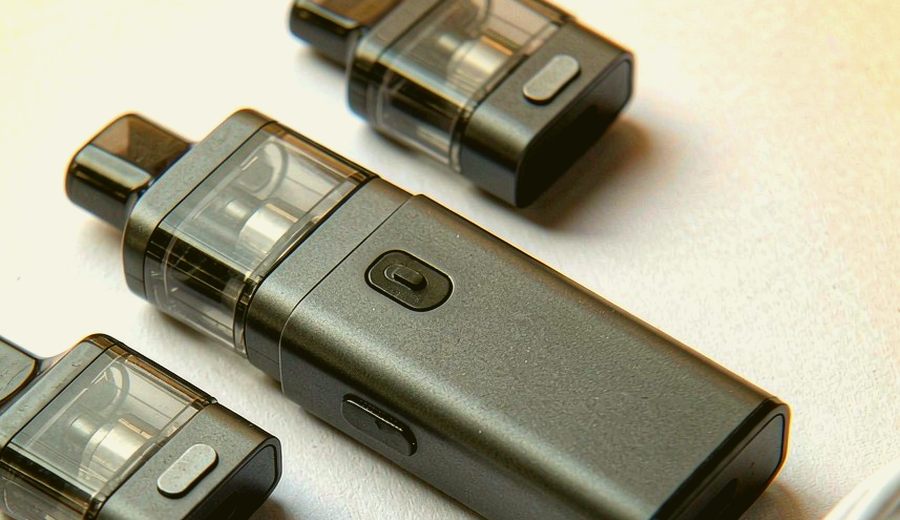
Working through Host Device Plus Replacement Pods properly means answering a handful of unglamorous questions early. Do that and the rest of the order tends to run quietly. The sections below cover those questions in the order they matter.
Quality Control Steps That Catch Problems Early
Inspection works when it happens before shipment. A pre-shipment check on Host Device Plus Replacement Pods covering quantity, appearance, function and packaging typically takes a day and costs a fraction of a return. Book it early enough that a failed report still leaves time to rework.
The most useful QC report for Host Device Plus Replacement Pods is a boring one: carton count, defect rate by category, photographs of the packing method, and a clear pass or fail. Narrative reports that hedge are far less useful than a simple count you can hold someone to.
Risk Management for Large Shipments
Insurance on Host Device Plus Replacement Pods shipments is inexpensive relative to the exposure, particularly for sea freight where transit is long and handling points are numerous. Confirm what the policy covers and what it excludes before you rely on it.
Concentrate risk deliberately. Splitting a very large Host Device Plus Replacement Pods order across two production slots costs a little more but protects you against a single bad batch wiping out a season's margin.
The simplest risk control for Host Device Plus Replacement Pods is a documented paper trail: approved sample, written specification, inspection report and shipment photographs. When something does go wrong, that file is what turns a dispute into a claim.

Seasonal Demand and Reorder Timing
Reorder timing for Host Device Plus Replacement Pods should be calculated backwards from the shelf, not forwards from the factory. Start with the week you need stock, subtract the realistic transit window, add a buffer for inspection, and you have your order date.
Most stockouts on Host Device Plus Replacement Pods are planning failures rather than supply failures. The goods were available; the order simply went in three weeks late. A written reorder calendar removes most of that risk for very little effort.
OEM and Private Label Possibilities
OEM work on Host Device Plus Replacement Pods is most cost-effective when you change what the factory can already do. A different colour, a printed logo or a reworked carton costs far less than a new mould, and it gets you a recognisable product much faster.
If you are considering a private label version of Host Device Plus Replacement Pods, ask what the factory needs from you: artwork format, colour reference, quantity per variant and lead time for the first run. Clear inputs at the start quietly remove weeks from the schedule.
Private label on Host Device Plus Replacement Pods usually starts with artwork and ends with tooling. In between sit choices about colourways, packaging structure and minimum runs per variant. Understanding which of those carry a setup cost tells you how far you can differentiate without inflating the first order.
| Cost Component | Share of Landed Cost | Notes |
|---|---|---|
| Product cost | 10% of landed cost | Moves with volume and specification |
| Packaging | 7% of landed cost | Higher for retail-ready formats |
| Freight and handling | 6% of landed cost | Route and season dependent |
| Duty and clearance | Destination specific | Follows from classification |
Who Buys Host Device Plus Replacement Pods and Why
The buyers behind Host Device Plus Replacement Pods orders are usually pragmatic. They care about whether the product sells through, whether it arrives intact, and whether the next shipment will match the last one. Everything else is secondary, which is why consistency beats novelty in most reorder conversations.
vape shops tend to reorder Host Device Plus Replacement Pods on a rhythm rather than in one large batch. That rhythm is driven by shelf turnover, seasonal footfall and how quickly a flavour or format goes stale in the local market. Understanding who your end buyer is makes the reorder maths much easier.
Choosing Between Air, Sea and Express
Ask your forwarder for the all-in door-to-door figure for Host Device Plus Replacement Pods rather than the port-to-port rate. The difference between the two numbers is usually where freight budgets quietly disappear.
For Host Device Plus Replacement Pods, the break-even between air and sea is mostly about how long your cash is tied up and how quickly the stock turns. Fast-moving lines can justify air; slow ones almost never can.
Sea freight suits planned Host Device Plus Replacement Pods volume, air suits genuine urgency, and express suits samples and small top-ups. Matching the mode to the reason, rather than to the deadline panic, is what keeps freight spend proportionate.

Packaging, Labelling and Shelf Readiness
Retail-ready packaging changes the economics of Host Device Plus Replacement Pods more than most buyers expect. Barcodes, language variants and warning statements vary by destination, and fixing them after production means relabelling by hand. Confirm the artwork requirements for your market before the run starts.
Labelling rules move, and Host Device Plus Replacement Pods is no exception. Build a habit of confirming the current requirement for each destination at the point of order rather than reusing last year's artwork file. The cost of a reprint is small; the cost of a detained shipment is not.
- Request the full document set during production
- Confirm labelling rules for the destination at order time
- Split very large Host Device Plus Replacement Pods orders across production slots
- Plan cartons around real handling, not catalogue photos
- Compare landed cost, not headline unit price
Ready to compare Host Device Plus Replacement Pods properly? Tell us the volume, the destination and how quickly you need it, and we will put a quotation together with the packaging and freight lines shown separately so you can see exactly where the money goes.
Frequently asked questions
How long does a Host Device Plus Replacement Pods order take to arrive?
Production for Host Device Plus Replacement Pods commonly runs two to four weeks depending on specification and packaging, with transit added on top. Sea freight adds several weeks, air considerably less. We quote a realistic window rather than a best case.
How do you price Host Device Plus Replacement Pods compared with a trading company?
We quote from the production side, so product, packaging and logistics are listed separately rather than folded into one number. That makes comparison easier and usually shows where a competing quote has hidden its margin.
What documentation comes with a Host Device Plus Replacement Pods shipment?
A standard shipment includes commercial invoice, packing list and certificate of origin, with product-specific declarations where the destination requires them. We prepare the set during production so it is ready before the goods arrive.
Are there compliance requirements I should know about for Host Device Plus Replacement Pods?
Requirements vary by destination and they change. We confirm the current position for your market at the point of order and supply the documentation that supports it, but the importer of record remains responsible for local compliance.
Can different variants of Host Device Plus Replacement Pods be mixed in one carton?
Mixed cartons are usually possible and are a good option when you are testing a range or working below a per-variant minimum. There is normally a small packing surcharge, which we will show on the quotation.
Related reading
Talk to us about host device plus replacement pods bulk
Send us your target quantity, destination and timing. We answer with real options and a landed cost you can compare — normally within one working day.