Retail-Ready Host Device Replacement Pods: Reading a Quotation
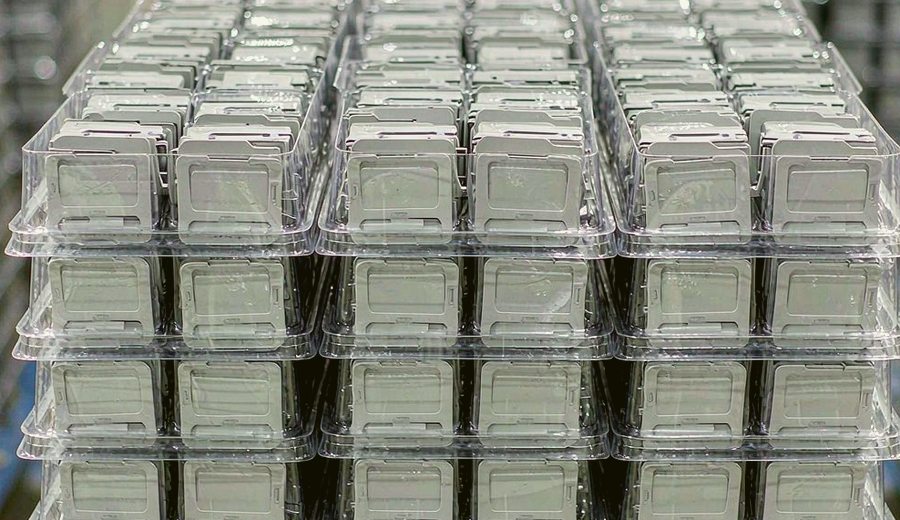
If you are looking at Host Device Plus Replacement Pods for the first time, the number of options can be disorienting. This page sets out the practical detail — what to specify, what it costs to land, and where orders usually go wrong — so you can move from enquiry to shipment without guessing.
Margin Maths for Retailers
A useful exercise with Host Device Plus Replacement Pods: calculate what a 20 percent improvement in landed cost does to annual profit, and compare that with what a 20 percent price increase does. The first is usually easier and does not risk volume.
Margin on Host Device Plus Replacement Pods is decided at the purchase stage. Landed cost per sellable unit, not unit price, is the number that matters — and it includes freight, duty, shrinkage and the small percentage that never sells at full price.
How to Compare Suppliers Without Wasting Weeks
Time-box the comparison. Two weeks of structured enquiries on Host Device Plus Replacement Pods beats two months of open-ended ones, because the market moves and your shelf does not wait. Set a decision date at the start and hold to it.
Compare Host Device Plus Replacement Pods suppliers on response quality before price. A supplier who answers specification questions precisely, admits what they cannot do, and sends real photographs is usually cheaper to work with than one who simply quotes low.
Ask every Host Device Plus Replacement Pods supplier the same five questions and score the answers. Which of them mentions a constraint you had not considered is often the most informative result — it tells you who has actually produced this before.

Building A Repeatable Replenishment Cycle
A repeatable cycle for Host Device Plus Replacement Pods has three inputs: weekly sell-through, lead time and buffer. Once those are written down, reordering becomes a routine task instead of a decision, and routine tasks are the ones that actually happen.
Most importers of Host Device Plus Replacement Pods who move to a fixed monthly cycle report the same benefit: fewer emergencies. The total volume ordered barely changes, but the number of urgent shipments drops sharply.
What Host Device Plus Replacement Pods Actually Covers
Scope is the first thing to pin down with Host Device Plus Replacement Pods. Hardware, consumables and packaging are often bundled differently depending on the factory, so a low unit price can quietly hide a higher landed cost. A one-page specification agreed before sampling removes most of that ambiguity.
The phrase Host Device Plus Replacement Pods gets used loosely in export enquiries, which is why quotations sometimes look impossible to compare. One factory may price a bare unit while another includes retail packaging, labelling and a master carton. Getting the scope written down first saves a round of emails and, more importantly, stops you from discovering the difference after the goods land.
Before comparing prices, it helps to agree on what counts as Host Device Plus Replacement Pods. In day-to-day trade the term covers a fairly wide band of products, and two suppliers can quote very different things under the same label. Ask for a specification sheet that lists materials, dimensions and what is included in each unit, then compare that against what actually arrives in the carton.
| Specification | Typical Range | Why It Matters |
|---|---|---|
| Unit specification | 20–8 variant range | Defines what the factory must hold |
| Master carton | 21 units per carton | Drives freight cost per unit |
| Production lead time | 20–8 working days | Sets your reorder point |
| Inspection window | 21 day report turnaround | Must fit before vessel cut-off |
Shipping Routes, Transit Time and Freight Options
Choosing between sea, air and express for Host Device Plus Replacement Pods is a margin question, not a speed question. Sea freight protects unit economics on planned volume; air rescue shipments protect shelf availability. Most importers end up using both, and planning for that is cheaper than improvising.
Transit time for Host Device Plus Replacement Pods depends far more on the route and the season than on the distance. Peak periods add days at both ends, and consolidations add handling. Build the realistic window into your reorder point rather than the best case the forwarder quotes.
Negotiation Levers That Actually Work
Decide before you negotiate what you actually want from Host Device Plus Replacement Pods — a lower unit price, better payment terms, or priority production. Chasing all three at once usually means getting none of them.
The most reliable negotiation on Host Device Plus Replacement Pods is a calendar, not a threat. Show a supplier twelve months of predictable orders and you will get a better response than from any single large enquiry.
Volume commitments, predictable scheduling and fast payment are the three levers that genuinely move Host Device Plus Replacement Pods pricing. Asking for a discount without offering any of them rarely gets you further than the published price list.
Minimum Order Quantities and Carton Planning
MOQ on Host Device Plus Replacement Pods is usually set by whatever makes a production run efficient, not by any fixed rule. If your requirement is below the standard minimum, ask whether a mixed carton or a shared production slot is possible instead of accepting a large surplus you cannot sell through.
Plan Host Device Plus Replacement Pods cartons around how the goods will actually be handled: how many times they are transferred, what the last leg looks like, and whether the carton will be opened for inspection. Those answers matter more to damage rates than the carton grade on paper.
- Treat the first shipment as a test and the second as the real order
- Request the full document set during production
- Use one approved sample reference for every repeat order
- Confirm labelling rules for the destination at order time
- Book inspection while there is still time to rework
If you want to move on Host Device Plus Replacement Pods, the fastest next step is a specification and a sample. Send us your target quantity and destination and we will come back with options, timings and a landed cost you can compare against what you have today.
Frequently asked questions
Can you handle repeat or scheduled Host Device Plus Replacement Pods orders?
Yes, and it suits both sides. A scheduled cycle lets us reserve production capacity, which shortens lead times and makes pricing more stable than ad-hoc ordering.
How do I know the Host Device Plus Replacement Pods I reorder will match the last batch?
We keep the approved specification and sample reference on file for every order and check against it at inspection. If a component changes, you hear about it before production rather than at delivery.
Can Host Device Plus Replacement Pods be shipped directly to my retail locations?
Direct-to-store is possible in many markets, though consolidation at a single warehouse is usually cheaper and easier to reconcile. We can quote both so you can compare.
Do you ship Host Device Plus Replacement Pods worldwide?
We ship to most markets by sea, air and express. Where a destination has specific restrictions we will flag them before you order rather than after the goods are in transit.
What happens if a Host Device Plus Replacement Pods shipment arrives damaged?
Report it within the agreed window with photographs and carton references and we will work through a credit or replacement. This is much faster when an inspection report exists, which is why we recommend one for larger orders.
Related reading
Talk to us about host device plus replacement pods bulk
Send us your target quantity, destination and timing. We answer with real options and a landed cost you can compare — normally within one working day.