Storage and Shelf Life — OEM Host Device Replacement Pods
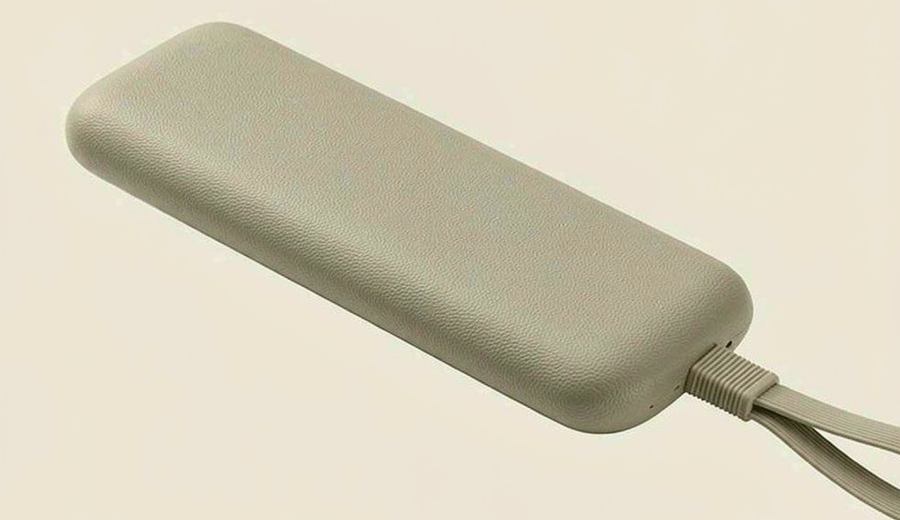
gift retailers ordering Host Device Plus Replacement Pods usually care about three things — consistency, timing and margin. Everything below is organised around protecting those three, in roughly the order they come up during a real order.
Margin Maths for Retailers
Retailers who track Host Device Plus Replacement Pods by margin per shelf metre rather than margin per unit consistently make better range decisions. The product that earns slightly less per unit but turns twice as fast is usually the better use of the space.
A useful exercise with Host Device Plus Replacement Pods: calculate what a 20 percent improvement in landed cost does to annual profit, and compare that with what a 20 percent price increase does. The first is usually easier and does not risk volume.
Sustainability and Packaging Waste
If your market expects recyclable materials for Host Device Plus Replacement Pods, ask what the factory can actually supply rather than assuming. The gap between what is available and what is requested is usually narrower than buyers expect.
Small packaging decisions on Host Device Plus Replacement Pods compound: a carton that is 20 percent smaller often means more units per pallet, which means fewer pallets, which means lower freight per unit.
Packaging waste is becoming a purchasing question rather than a marketing one. Right-sizing cartons for Host Device Plus Replacement Pods reduces both material cost and freight cost, which makes it one of the few changes that helps margin and footprint at once.
Customs, Duties and Compliance Paperwork
Classification is the decision that shapes everything else on a Host Device Plus Replacement Pods shipment. Duty rate, licence requirements and inspection probability all follow from the code used. If you are unsure, get a written classification opinion before the vessel sails, not after the goods are held.
Paperwork delays cost more than duties on most Host Device Plus Replacement Pods imports. A complete set — commercial invoice, packing list, certificate of origin and any product-specific declaration — should be prepared while the goods are in production, not requested the week of arrival.
What Host Device Plus Replacement Pods Actually Covers
Before comparing prices, it helps to agree on what counts as Host Device Plus Replacement Pods. In day-to-day trade the term covers a fairly wide band of products, and two suppliers can quote very different things under the same label. Ask for a specification sheet that lists materials, dimensions and what is included in each unit, then compare that against what actually arrives in the carton.
The phrase Host Device Plus Replacement Pods gets used loosely in export enquiries, which is why quotations sometimes look impossible to compare. One factory may price a bare unit while another includes retail packaging, labelling and a master carton. Getting the scope written down first saves a round of emails and, more importantly, stops you from discovering the difference after the goods land.
Scope is the first thing to pin down with Host Device Plus Replacement Pods. Hardware, consumables and packaging are often bundled differently depending on the factory, so a low unit price can quietly hide a higher landed cost. A one-page specification agreed before sampling removes most of that ambiguity.
| Cost Component | Share of Landed Cost | Notes |
|---|---|---|
| Product cost | 20% of landed cost | Moves with volume and specification |
| Packaging | 14% of landed cost | Higher for retail-ready formats |
| Freight and handling | 4% of landed cost | Route and season dependent |
| Duty and clearance | Destination specific | Follows from classification |
Storage, Handling and Shelf Life
Warehouse conditions matter more for Host Device Plus Replacement Pods than most buyers assume. A few degrees of temperature difference over a summer changes how the product presents on the shelf. If you are storing through a hot season, plan for it rather than discovering it in returns.
Host Device Plus Replacement Pods degrades in predictable ways: heat, light and time. Store in a cool, dry place away from direct sunlight and rotate stock by production date. Those two habits prevent most of the quality complaints that get blamed on the factory.
OEM and Private Label Possibilities
OEM work on Host Device Plus Replacement Pods is most cost-effective when you change what the factory can already do. A different colour, a printed logo or a reworked carton costs far less than a new mould, and it gets you a recognisable product much faster.
Private label on Host Device Plus Replacement Pods usually starts with artwork and ends with tooling. In between sit choices about colourways, packaging structure and minimum runs per variant. Understanding which of those carry a setup cost tells you how far you can differentiate without inflating the first order.
If you are considering a private label version of Host Device Plus Replacement Pods, ask what the factory needs from you: artwork format, colour reference, quantity per variant and lead time for the first run. Clear inputs at the start quietly remove weeks from the schedule.

How to Compare Suppliers Without Wasting Weeks
Compare Host Device Plus Replacement Pods suppliers on response quality before price. A supplier who answers specification questions precisely, admits what they cannot do, and sends real photographs is usually cheaper to work with than one who simply quotes low.
Ask every Host Device Plus Replacement Pods supplier the same five questions and score the answers. Which of them mentions a constraint you had not considered is often the most informative result — it tells you who has actually produced this before.
- Plan cartons around real handling, not catalogue photos
- Agree the specification in writing before sampling Host Device Plus Replacement Pods
- Keep a reorder calendar instead of reacting to stockouts
- Compare landed cost, not headline unit price
- Split very large Host Device Plus Replacement Pods orders across production slots
We keep the ordering process for Host Device Plus Replacement Pods deliberately simple: agree the specification, approve a sample, confirm the carton plan, then ship. If that sounds like the way you prefer to work, get in touch with your requirements.
Frequently asked questions
How do you price Host Device Plus Replacement Pods compared with a trading company?
We quote from the production side, so product, packaging and logistics are listed separately rather than folded into one number. That makes comparison easier and usually shows where a competing quote has hidden its margin.
What is the usual minimum order for Host Device Plus Replacement Pods?
Most Host Device Plus Replacement Pods production runs start at a carton-level minimum rather than a single unit. The exact figure depends on how many variants you need and whether the packaging is standard or custom printed, so it is worth asking with your actual mix in mind.
Can different variants of Host Device Plus Replacement Pods be mixed in one carton?
Mixed cartons are usually possible and are a good option when you are testing a range or working below a per-variant minimum. There is normally a small packing surcharge, which we will show on the quotation.
What payment terms are available for Host Device Plus Replacement Pods?
Standard terms are a deposit with the balance before shipment, with alternatives available for established accounts on scheduled programmes. We will outline what is possible once we understand the size and frequency of your orders.
Can you handle repeat or scheduled Host Device Plus Replacement Pods orders?
Yes, and it suits both sides. A scheduled cycle lets us reserve production capacity, which shortens lead times and makes pricing more stable than ad-hoc ordering.
Related reading
Talk to us about host device plus replacement pods bulk
Send us your target quantity, destination and timing. We answer with real options and a landed cost you can compare — normally within one working day.